📊 Technical Details
The trail ranges from gentle forested paths on the Pohorje plateau to serious alpine terrain requiring via ferrata technique and a helmet on the Triglav and Kamnik-Savinja stages. Via ferrata kit is recommended for the high alpine sections. Fit walkers with some alpine experience can manage most of the route, but the most committing stages should not be underestimated.
Marked throughout with the Knafelc blaze (white circle with red ring) and number 1, the oldest marking system of its kind in Europe. Navigation is straightforward on the lower stages but requires care on exposed ridges, in poor visibility and on the complex high mountain terrain of the Julian and Kamnik-Savinja Alps.
Varies enormously by stage. Forest and plateau sections are excellent underfoot while the high alpine stages cross scree, steep grass, exposed limestone ridges and fixed-rope sections demanding full attention.
| T1 | Hiking: clear path, no exposure |
| T2 | Mountain Hiking: some uneven terrain |
| T3 | Difficult Mountain Hiking: exposed sections possible |
| T4 | Alpine Hiking: requires sure-footedness |
| T5 | Difficult Alpine Hiking: climbing experience needed |
| T6 | Very Difficult Alpine Hiking: advanced mountaineering |
| Info | Visit About > rating notes or SAC hiking difficulty ratings |
| A dream | Paved/hardpack (but you might reconsider after a 10-hour day) |
| Too easy | Firm dirt/gravel |
| Mind your step | Loose/uneven |
| A bit of a slog | Ongoing sapping surfaces |
| Make it stop! | A total energy sucker |
📅 Best Season
The high alpine stages, including Triglav, are only accessible in summer when free of snow, typically July to early September. Lower stages from Maribor and toward the coast can be walked from May. The full traverse requires a July or August window for the mountain core.
💭 Logistics & Budget
Slovenia is good value relative to Western Europe. Mountain huts charge Alpine rates on the high stages but are reasonable by regional standards. The lower and coastal stages offer inexpensive guesthouses and town accommodation.
Maribor (start) is well-connected by rail from Ljubljana (around 1.25 hours). Ankaran (end) is accessible by bus from Koper, which has rail connections. Both ends are straightforward to reach by public transport.
58 mountain huts serve the route, forming the backbone of the overnight system. Book ahead in peak summer, particularly on the Triglav and Julian Alps stages where huts fill quickly. Wild camping is prohibited in Triglav National Park and not a legal right elsewhere in Slovenia.
🎶 Vibe
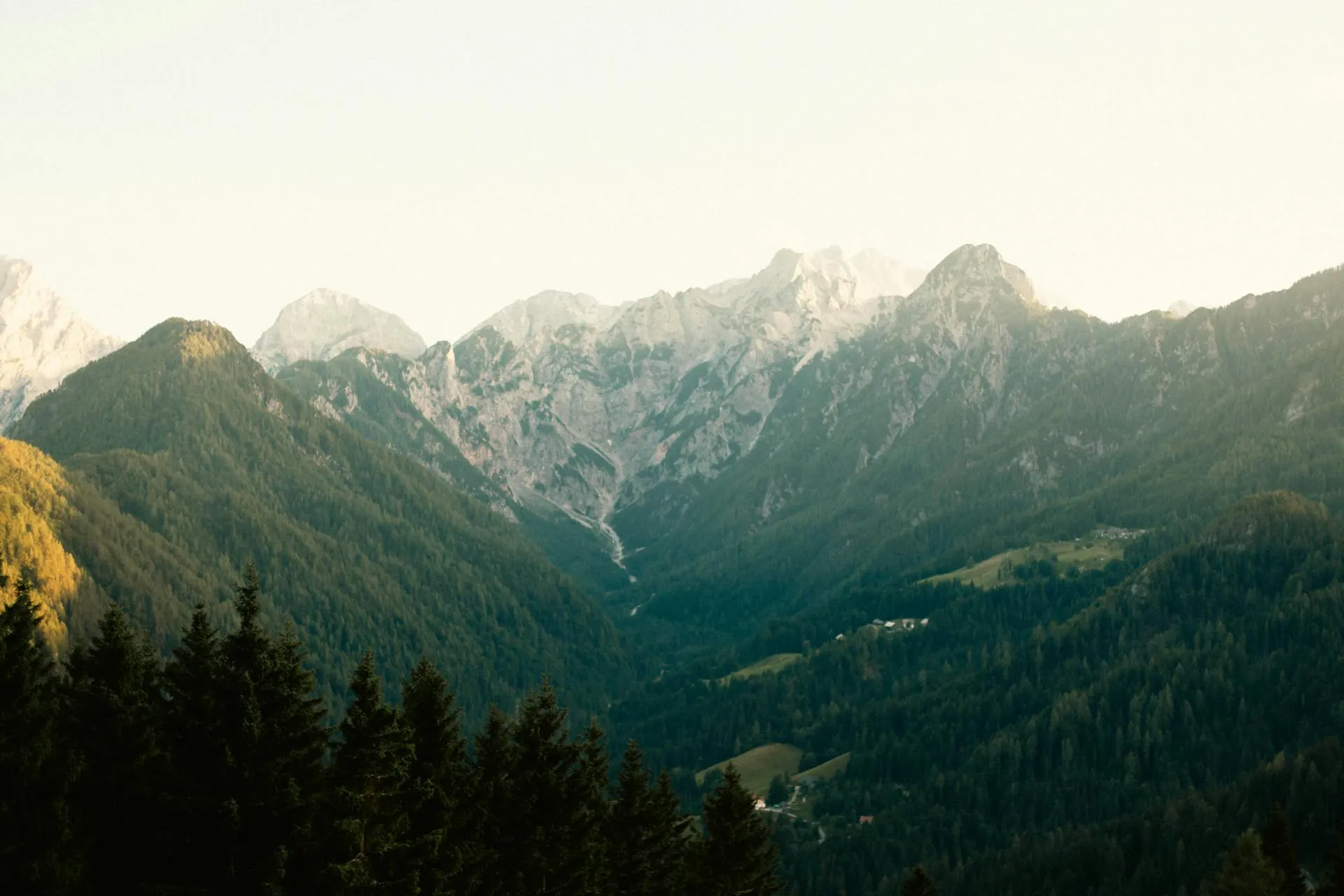
The oldest connecting trail in Europe and Slovenia’s defining national hike, crossing the entire country from Maribor to the Adriatic via Pohorje, the Kamnik-Savinja Alps, the Karavanke and the Julian Alps. The trail summits Triglav, Slovenia’s highest peak and national symbol, and connects 58 mountain huts and 5 towns along a route that Slovenians are fiercely proud of.
🛟 Safety & Inclusion
Very low crime. The high alpine stages carry serious mountain hazards including weather, route-finding, exposure and rockfall. Via ferrata sections require appropriate equipment. Mountain rescue is well-organised in Slovenia.
📍 Trails in the Same Region


Suggest a correction
Help keep Slovenian Mountain Trail accurate. Only the values you change are submitted, and every suggestion is reviewed before going live.